
From the archive
Review: Bruce Clark’s “Athens: City of Wisdom”
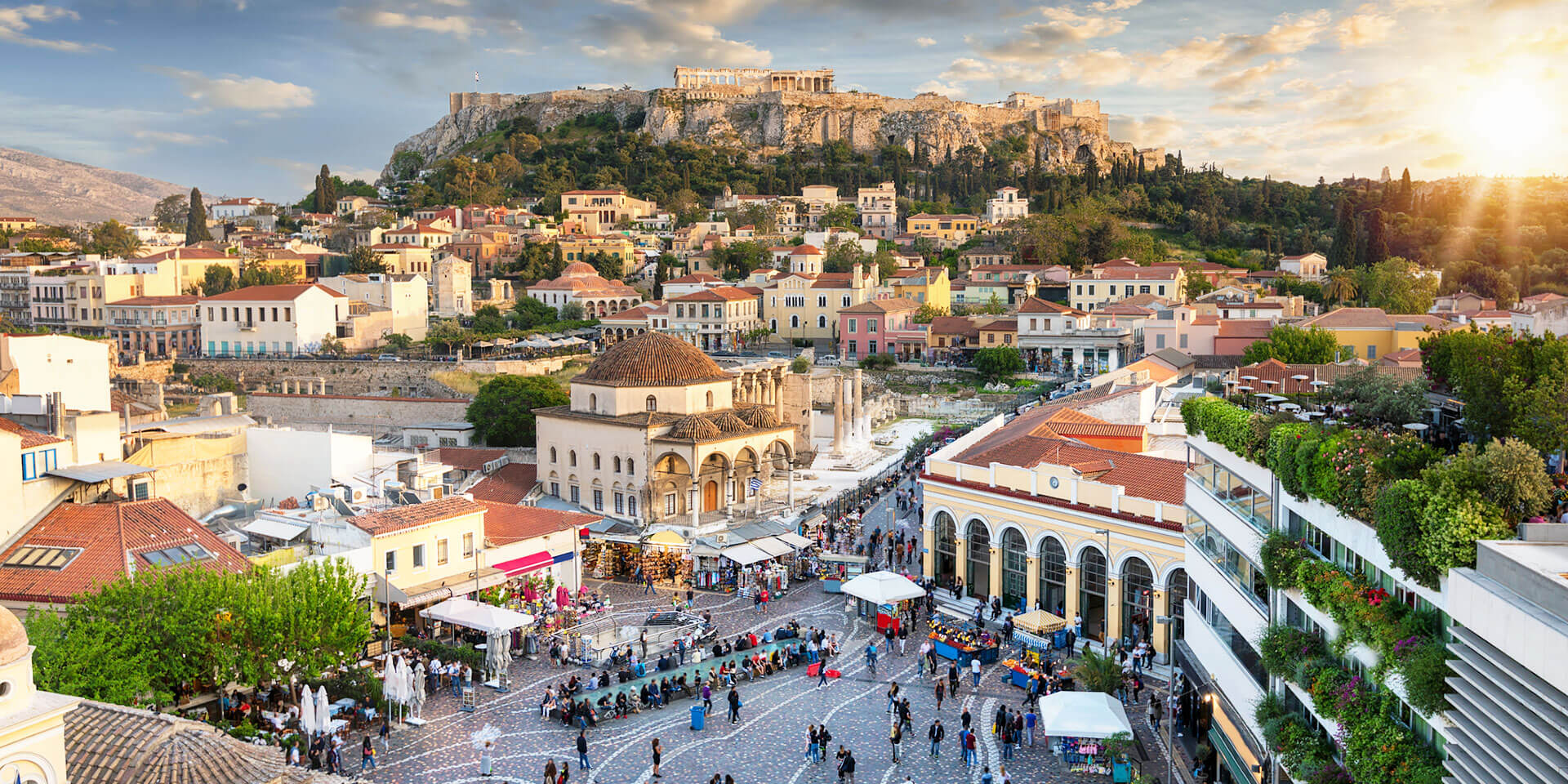
“Athens: City of Wisdom is a tour through over 3,000 years of the history of a city that has such imaginative sway and spiritual power over the hearts and minds of so many people around the world today.”

“Athens: City of Wisdom is a tour through over 3,000 years of the history of a city that has such imaginative sway and spiritual power over the hearts and minds of so many people around the world today.”
After Orestes avenged the murder of his father, Agamemnon, who was slain by Clytemnestra and her lover Aegisthus, the Furies hounded the ancient Greek hero who fled to the courts of Apollo and Athena to seek vindication before the goddess of wisdom. Athena, patron deity of the city of Athens, adjudicated. She offered reconciliation and a new way of life, an escape from the spell and cycle of vengeance that plagued Mycenae, signaling the birth of a new civilization. She invited the Furies to dance with Orestes and the people of Athens, old and new united together at last where reason (Orestes) and passion (the Furies) were synthesized together. “Cry, cry in triumph, carry on the dancing on and on. This peace between Athena’s people and their guests must never end. All-seeing Zeus and Fate embrace, down they come to urge our union on—Cry, cry in triumph, carry on the dancing on and on!” All of this is supposed to have happened under the shadow of the Acropolis.
When we think of Athens, what do we imagine? Probably something like Aeschylus’s propaganda about Athens as the new seat of civilization uniting reason and justice with the fates of the old virtues in a harmonious city ready to ascend to new heights. “When students in the Western world are introduced to global history,” Bruce Clark writes, “they are often told that civilization owes a particular debt to events which unfolded on two stony citadels in different parts of the eastern Mediterranean.” One is Jerusalem. The other is Athens. The late second century church father Tertullian famously quipped, “What hath Athens to do with Jerusalem?” The question has reverberated down through the millennia. We are the inheritors of both citadels and their legacies.
What sway does Athens still have on us? The bastardized conception of reason promoted by doltish contemporary Whigs likes to claim Athens as its own. Yet Athens was a city steeped in mysticism and mystery; as such, the rationality of Plato, Aristotle, and the Stoics is hardly the rationalism of the orphaned children of the Enlightenment who have swapped the summum bonum for the summum malum. What of freedom? We are often told that our democratic and independent spirit comes from the Greeks. (As if no other civilization between theirs and ours experienced the blessings and fruits of liberty—not to mention that many people in ancient Greece were slaves and did not have the right to vote.) If anything, though, it is the independent and democratic spirit and imagination of Athens that tends to draw us to that city of rocks—and with good reason.
The rest is for members.
All proceeds go toward publishing more writers and poets.
Free for 30 days, then $3 a month
Become a member
This work is preserved in Merion West’s archive of articles and poems published from 2016 through early 2025. Explore the archive