
From the archive
How “Ms .45” and Zoë Lund Paved Abel Ferrara’s Way

“In the end, these are movies about redemption and what it means to be redeemed, whatever the struggle in getting there.”
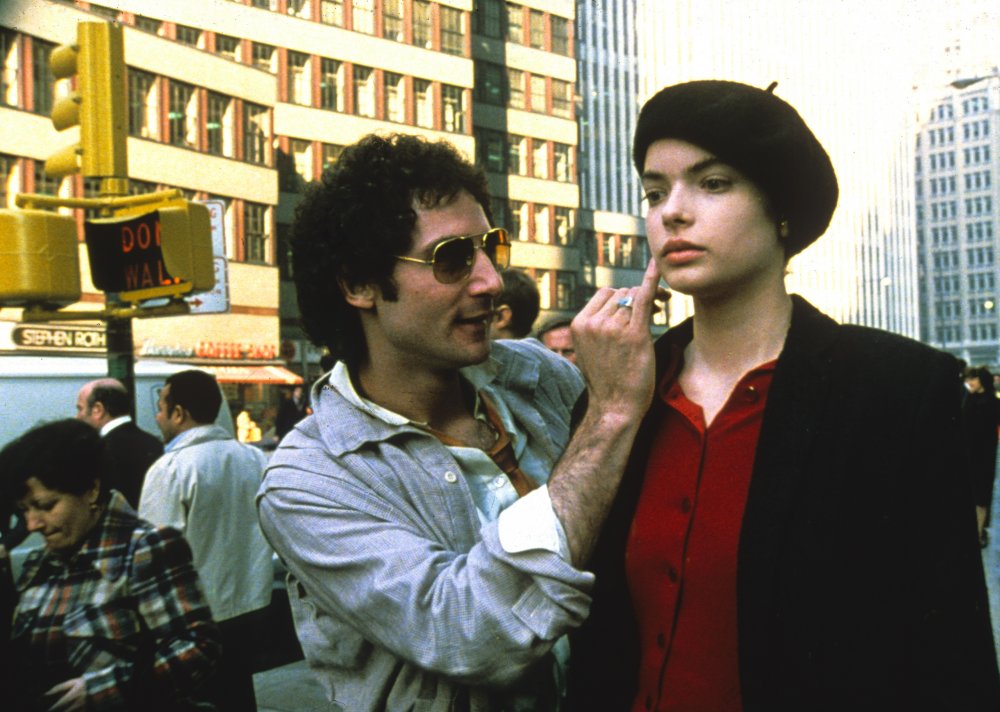
“In the end, these are movies about redemption and what it means to be redeemed, whatever the struggle in getting there.”
Abel Ferrara has worked with many actors—including Willem Dafoe, Victor Argo, and Christopher Walken—but the most interesting among them may be Zoë Tamerlis Lund. Lund’s career as an actress was limited; she compiled ten acting credits from 1981 through 1997 and died at 37 in 1999 following a drug overdose. She only appeared in two of Ferrara’s films: Ms .45 (1981) and Bad Lieutenant (1992); however, her performances in these films allowed the director to inject some levity into his destructive characters and, ultimately, helped him craft his most recognizable work.
Lund made her acting debut at the age of 17 in Ms .45, the film Abel Ferrara made after the video nasty The Driller Killer. Written by Nicholas St. John, Ms .45 features Lund as a mute seamstress named Thana (from Thanatos). While going home from work, two men separately sexually assault her. This ordeal transforms her into a spree killer, targeting and shooting men, regardless of whether they intend her any harm. Rarely does one see such a face, both imprisoned by trauma and able to deal out forceful consequences.
Scenes that might have felt cheap and repetitive succeed through Lund’s character’s righteousness. Her fatalism has a manic arc that goes from justifiable to terrifying; as the film progresses, her killings transform from personal revenge into a type of ritual. Most of the men she targets act brash, domineering, and defensive. At the film’s climax, an office Halloween party—for which she dresses up as a nun with red lipstick—she murders her boss, who had made regular sexual advances on her. She then kills many of the other men in the office. It is not difficult to see the film’s arc metaphorically: Thana expressing her cathartic rage against the greater patriarchy. A female colleague then knifes Thana in the back, killing her. Lund’s vulnerability in the film is propelled by surrounding colleagues, who speak as if they are afraid of her: an omen derived of some evil, rather than a woman who had lost her sense of agency.
The rest is for members.
All proceeds go toward publishing more writers and poets.
Free for 30 days, then $3 a month
Become a member
This work is preserved in Merion West’s archive of articles and poems published from 2016 through early 2025. Explore the archive