
From the archive
What Is the Difference between ISIS and al-Qaeda?

Must ISIS be treated differently from the terrorist organizations of the past?
Must ISIS be treated differently from the terrorist organizations of the past?
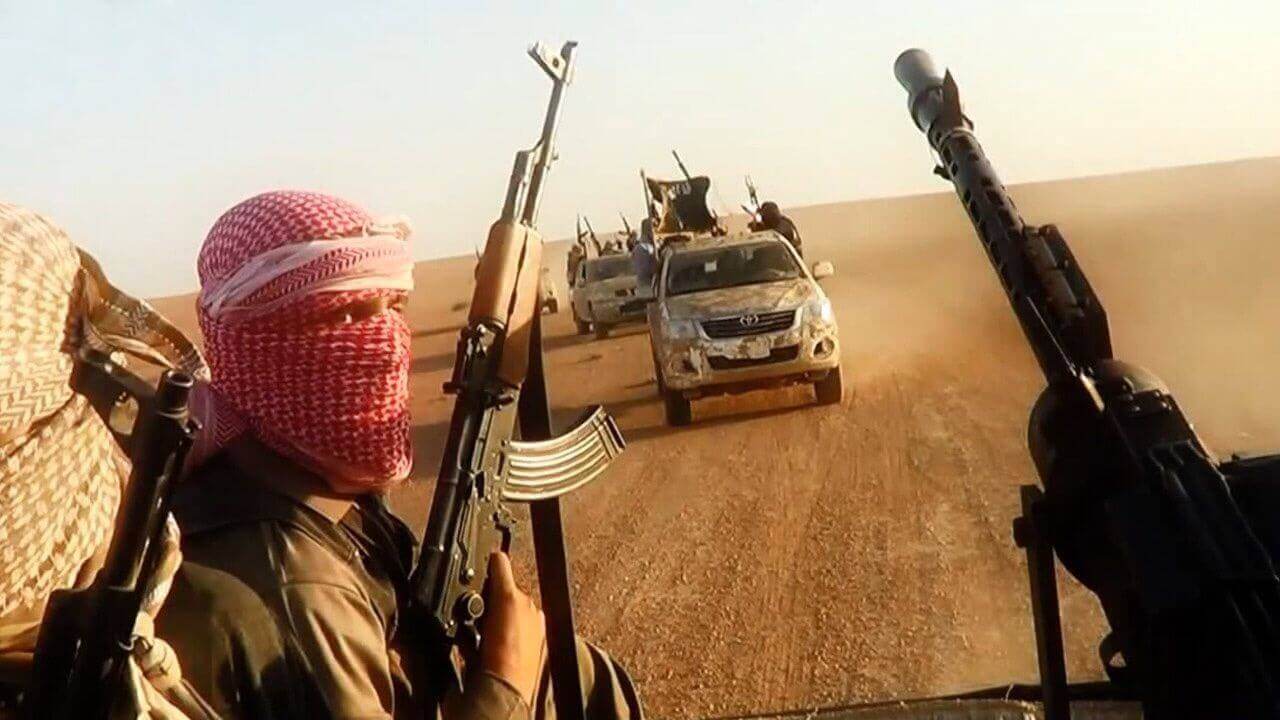
Five or ten years ago, it would have been unthinkable that al-Qaeda would hold such a small fraction of the discourse on terrorism. Al-Qaeda was mentioned little – if at all – in an election cycle heavily concerned with combating terror. The group has been almost fully supplanted in our collective psyche by the so-called Islamic State, or ISIS. However, the two groups operate in wholly distinct ways, each posing a completely different sort of threat to the U.S.
Considering ISIS to be simply a newer group in the same vein as al-Qaeda – as it seems that many politicians and Americans have been so far wont to do – is fundamentally inaccurate and could lead to significant errors of judgment in our attempts to combat these groups or prevent attacks.
The West seems to view ISIS attacks – or, more accurately, attacks carried out in ISIS’ name – as though they are simply a replacement for al-Qaeda. They are fundamentally dissimilar. Though ISIS evolved from an arm of al-Qaeda, the groups share little. ISIS and al-Qaeda have philosophical and moral differences, of course, with al-Qaeda going as far as to publicly distance itself from ISIS in 2014.
ISIS – which after growing out of al-Qaeda in Iraq has gone on to capture significant areas of Iraq and Syria – declared itself a caliphate in 2014 a move signaling that it considers borders invalid and itself the only true nation of Islam. It has carried out truly horrifying acts, from beheadings to a complex and codified system of sexual slavery, all of which it considers to be not only allowed but also necessary under its literal reading of Islam.
The rest is for members.
All proceeds go toward publishing more writers and poets.
Free for 30 days, then $3 a month
Become a member
This work is preserved in Merion West’s archive of articles and poems published from 2016 through early 2025. Explore the archive